
Journal
Pamir, Hafiz and the electric guitar: the sound of Daler Nazarov
About the artist: Daler Nazarov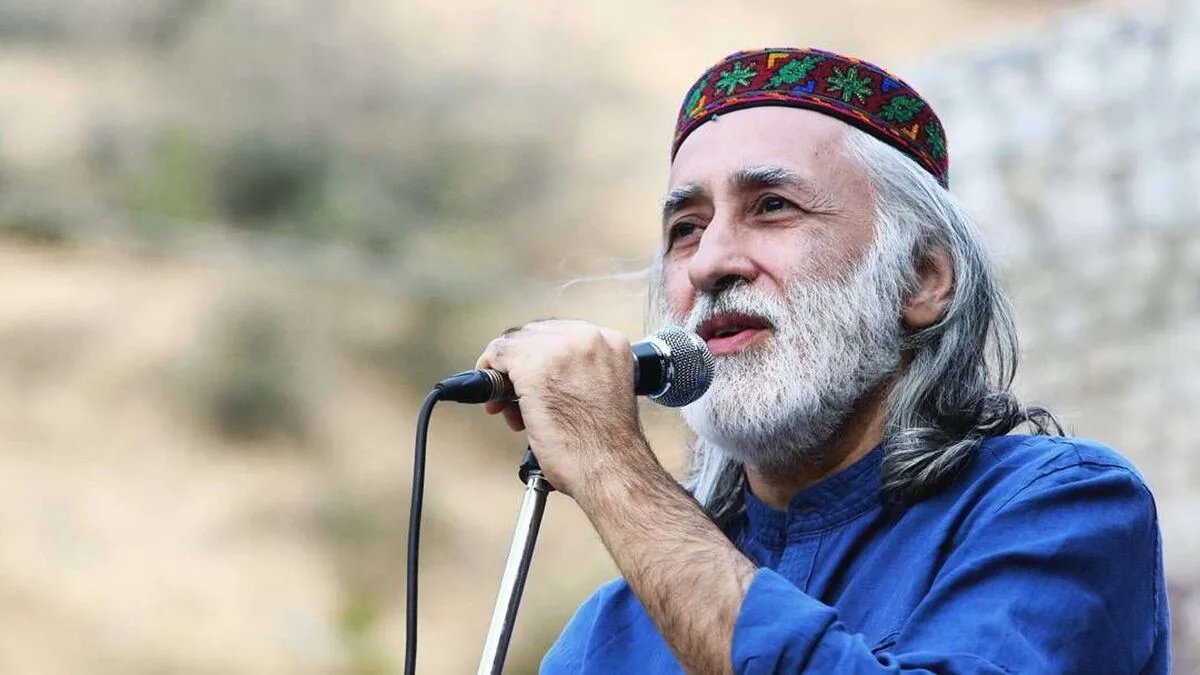
The Pamir, the high-mountain east of Tajikistan, is one of Central Asia's most distinctive musical regions. According to the Institute of Ismaili Studies, songs there praise the mountains, describe love and express devotion to the Imam. Rubab, tanbur, setar and ney accompany the singers, alongside doira, guitar and accordion. The institute regards this combination of instruments as particular to the region. Religious poems called madah are sung to a rubab or tanbur and at least one daf, a frame drum.
Daler Nazarov grew up in Dushanbe in the family of a culture minister, yet he gives Pamiri as his native language. English Wikipedia lists him among musicians from the Gorno-Badakhshan region. Nobovar Chanorov, the lead singer of the group Shams, says Nazarov founded his own school of modern music: younger Tajik performers took it up under the names "Badakhshan style" or "Daler's school." Asia-Plus traces his recognisable style to the moment he gathered musicians fond of folklore: folk motifs met original composition, and national instruments met electronic ones.
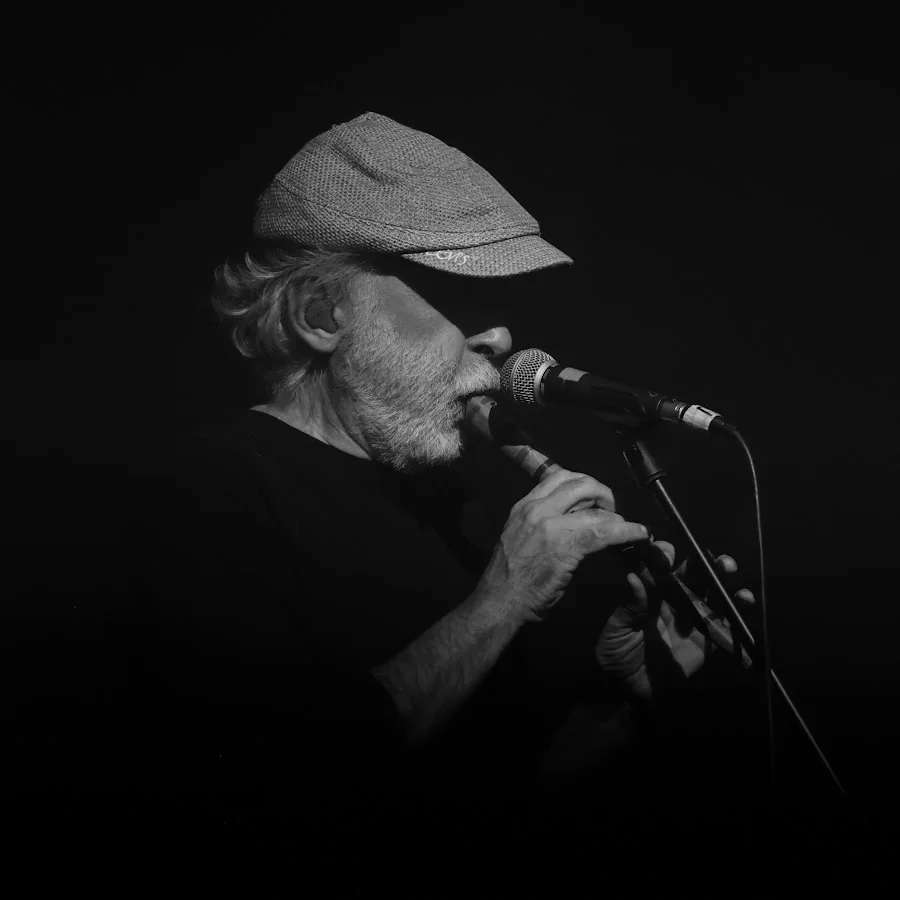
In the 1980s his move within this tradition looked bold. He took "Turki sherozi," set to verses by the fourteenth-century poet Hafiz, and played it as rock, with a guitar in place of the accordion and tablak that Tajik pop usually used. Part of the audience resisted. The song still made him famous across the republic and stayed in his repertoire. The expert Zevarsho, quoted by Radio Ozodi, notes that Nazarov works hard on himself, prepares carefully for every concert and sometimes spends months on a single song. At a Moscow concert in 2016 he performed a new song, "Ey dil," on another Hafiz text.
Since the 2000s he has performed rarely and focused on research: he collects folklore, catalogues it and experiments. Asia-Plus describes the result as large vocal-instrumental poems in which the philosophical verse of the Sufi classics sounds in dialogue with daf, tanbur, sitar, ney and flute. That Moscow concert made it audible. Shavkmamad Pulodov sang maddo, Sufi devotional songs, and Andrey Tanzyu played a frame drum through the whole evening.
On the line between tradition and arrangement, Nazarov is direct. Folk music cannot be reworked to the end, he says, and its foundation stays untouched. You can add elements of other styles with care, but only if you understand its essence. His music is born wherever he happens to be, and his base remains Tajikistan and the Pamir.
The Asia-Plus author links the reach of this approach to ethno-pop in Central Asia, Afghanistan, Iran and Russia. The listing for a Tashkent concert describes his programme as a union of classical Persian poetry with the music of the Pamir, an ancient tradition with a modern sound.