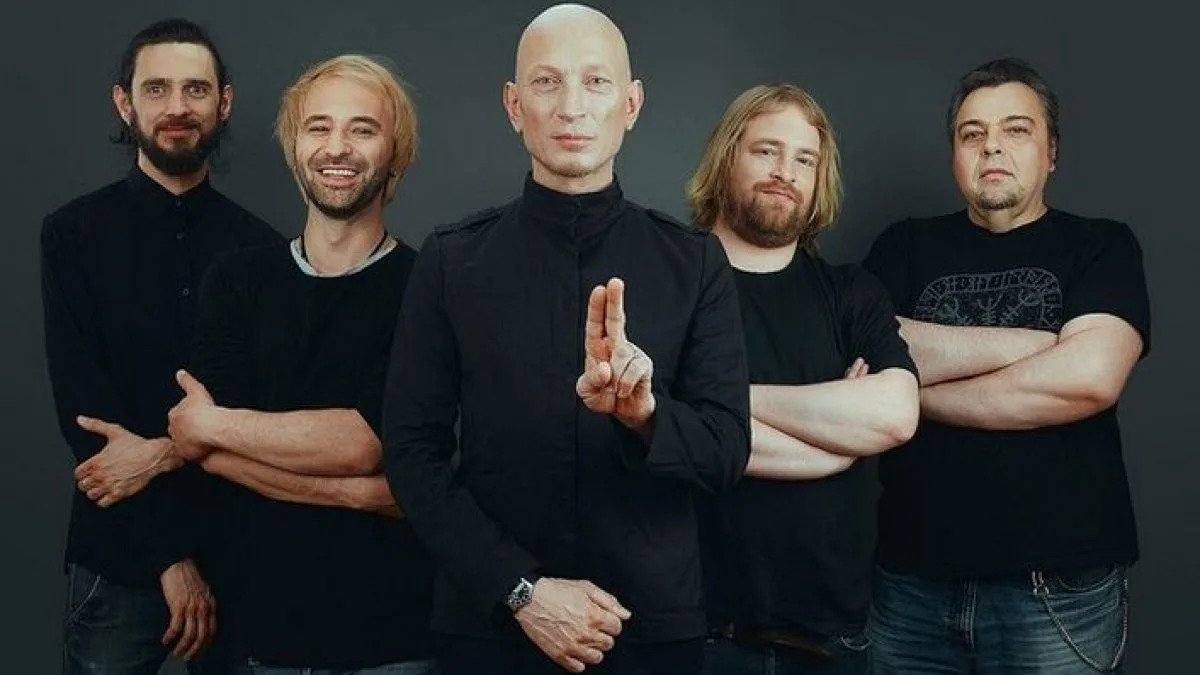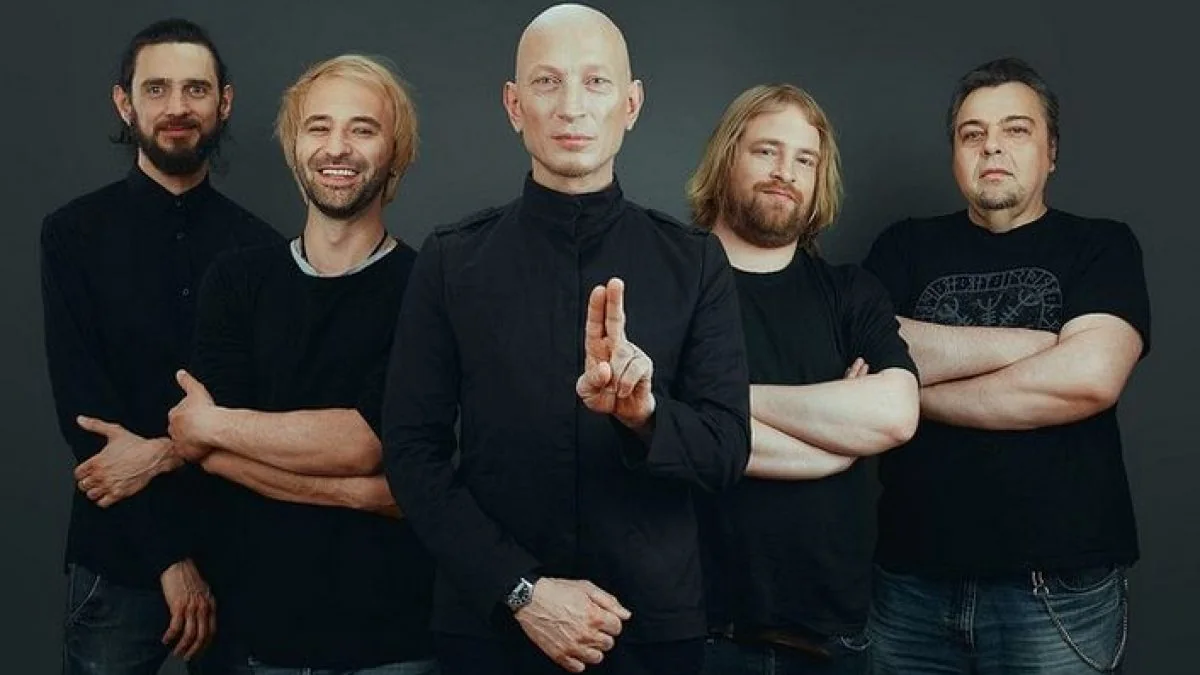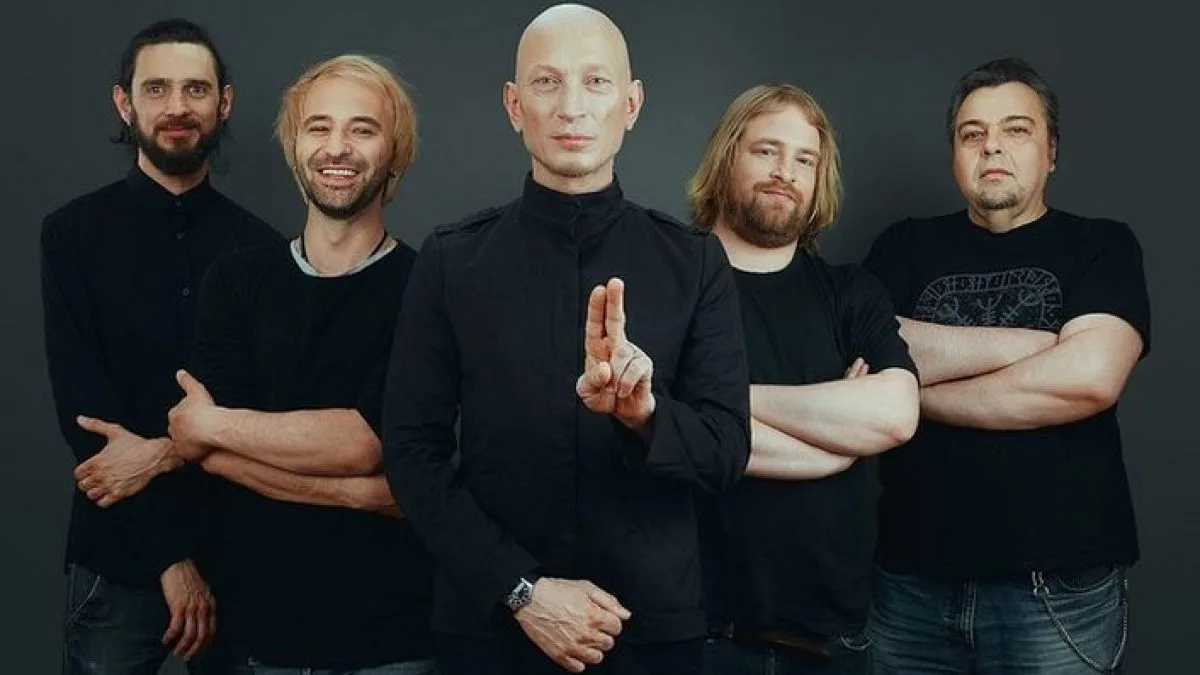
Alternative · experimental · art rock
About
Tequilajazzz from St Petersburg plays alternative and art rock: heavy guitars, complex rhythms and melodic songs. The band traces its history to 1993. Evgeny Fedorov sings and plays bass. The album Celluloid (1998) brought it its widest audience. Tequilajazzz played its first concert on 4 September 1993 at the TaMtAm club in St Petersburg. The musicians came from two Leningrad groups, Object of Ridicule and Nol. Fedorov joined Object of Ridicule in 1986, and until it split in 1991 that band toured the Soviet Union. Early Tequilajazzz recordings rested on hardcore and funk, and the debut album is called Strelyali? By the mid-nineties Fedorov wanted another sound. He described the 1995 song Solntse as his first attempt to leave hardcore-funk for a thicker, bluesier groove, and in those years he was listening to PJ Harvey. Virus (1997) was followed by Celluloid. Listeners far beyond the club circuit came to know the song Zimnee solntse (Winter Sun) from it. Together with 150 Billion Steps (1999), Vyshe oseni (2002) and Zhurnal zhivogo (2009), Celluloid forms a cycle the musicians called their violet period. The St Petersburg magazine Fus named Vyshe oseni album of 2003. On Zhurnal zhivogo a reviewer for Lenta.ru heard strings, keyboards and synthesizers that had not appeared in the band's rock before. Tequilajazzz broke up in 2010, and the last concert took place on 25 March at the Tsokol club. In an interview with Kommersant Fedorov named seventeen years of survival as the main result. He moved on to Zorge and Optimystica Orchestra. The band returned to the stage on 1 December 2013 with an anniversary concert in Moscow. In 2018 came Nebylo, the first acoustic album, with old songs in cyber-acoustic arrangements and one new piece, Nebesnaya pech. In spring 2021 the band played Celluloid in full in Moscow, and on 1 October it released Kamni (Stones), its seventh electric studio album. Recording took about two weeks at the Dobrolyot studio with engineer Andrey Alyakrinsky. The single Mashina, polnaya zla (Machine Full of Evil) followed in September 2023. The band's concert history includes electric programmes, acoustic versions of songs from Vyshe oseni and Zhurnal zhivogo, and an evening devoted to Celluloid in full. A reviewer for Moscow's MK paper singled out the drummer after the 2021 show: the complex time signatures in his playing sounded like a living organism. The repertoire spans three decades, from Zimnee solntse to the songs of Kamni.
Photos
Date, city and venue are enough to begin.