
Journal
Two hands on the neck: how Enver Izmaylov's guitar sounds
About the artist: Enver Izmaylov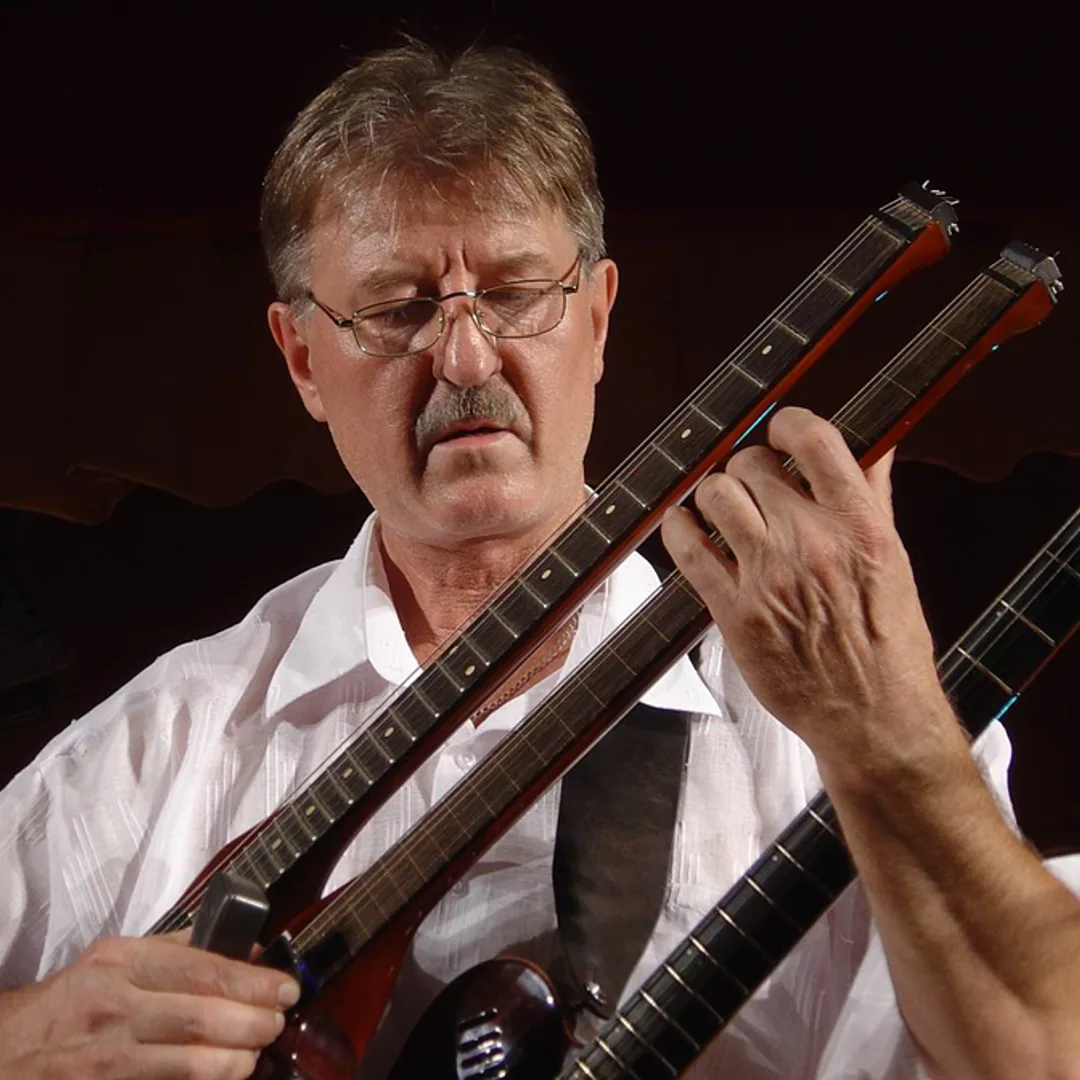
Enver Izmaylov plays electric guitar with both hands on the neck: his fingertips strike the strings at the frets the way a pianist strikes keys. The technique is called tapping. According to the Encyclopedia of Modern Ukraine, he developed his own version in the early 1980s, and since then he has carried melody, bass and accompaniment at the same time. Listeners hear a full orchestra. The author of the Minaret liner notes adds that Izmaylov arrived at tapping independently of the American guitarist Stanley Jordan, who was working toward a similar sound in those years. The encyclopedia lists his own compositions, arrangements of folk melodies and improvisations on jazz classics in his repertoire.
He feeds this technique from several traditions. The encyclopedia names Crimean Tatar folklore and the folk music of the Balkans and the East. The Klezmatics page adds Middle Eastern modes, jazz and blues, and a 2011 Kyiv announcement names Tatar, Uzbek and Bulgarian melodies. Kapanitsa, from the album The Eastern Legend, is built on a Bulgarian dance in 11/8, and the liner notes describe Izmaylov playing four guitars at once on it.
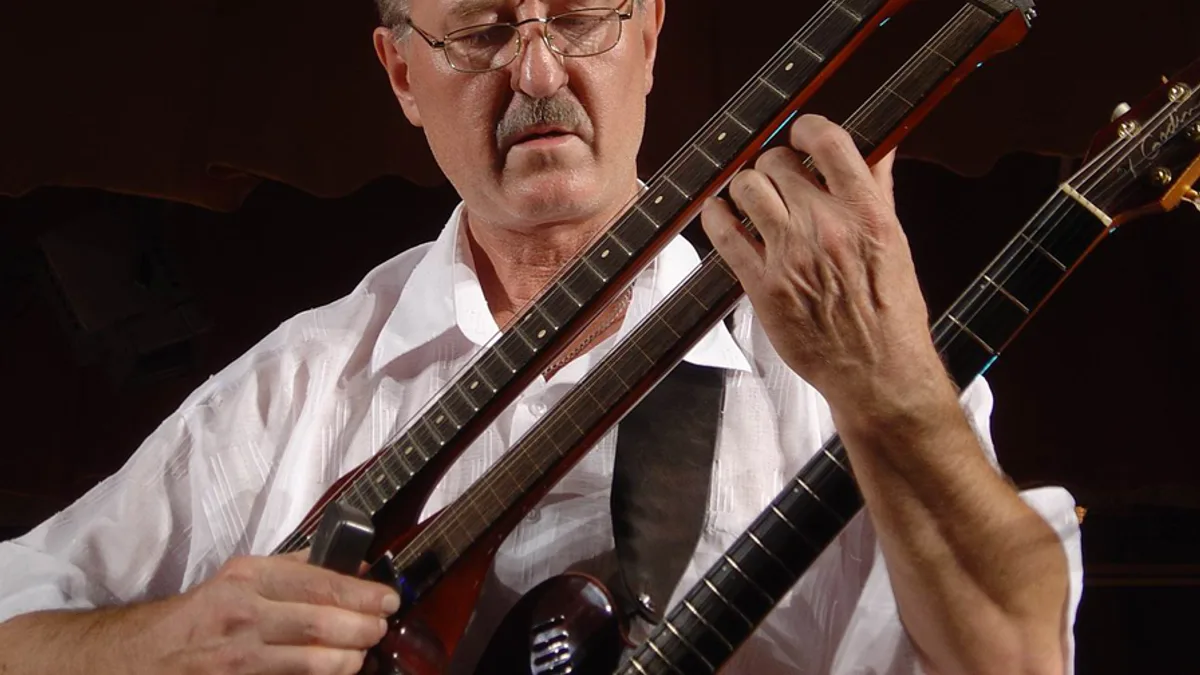
He gets the colours of folk instruments without electronics. The Minaret liner notes say he uses no guitar effects. His guitar can sound like an Uzbek dutar or a Turkish oud, and on Boina a handkerchief under the strings gives a harpsichord shade. On the "Uzbek" piece he tunes the guitar a fourth lower and the sound moves toward a sitar. On the title track of The Eastern Legend he touches the strings with a glass and produces a synthesizer effect.
In 1995 Izmaylov formed the trio Minaret with percussionist Rustem Bari and Narket Ramazanov, who plays saxophone, clarinet and flute. He conceived the trio as a single instrument in which all three players carry equal weight. The album, recorded in Kyiv in 1998, contains seven pieces drawn from the folklore of the Caucasus, Central Asia, Bulgaria and India, with Tatar elements. The pieces include Bulgarian Dance, Sevan and Balkan. Musicians in Lyon called it "imaginary folk". The liner notes also record that during the sessions the players sometimes danced to explain an idea to sound engineer Arkady Vikhorev instead of using words.
Pianist Misha Alperin, who wrote the liner notes for The Eastern Legend, describes Izmaylov's music as a dynamic meditation on an Eastern foundation that takes in jazz and modern improvisation. He observes that even other composers' material, such as Dave Brubeck's Take Five, comes out sounding like Izmaylov's own. Izmaylov himself calls the electric guitar a tribute to his rock youth.