
Journal
Daler Nazarov: from a Dushanbe guitar to the cinema screen
About the artist: Daler Nazarov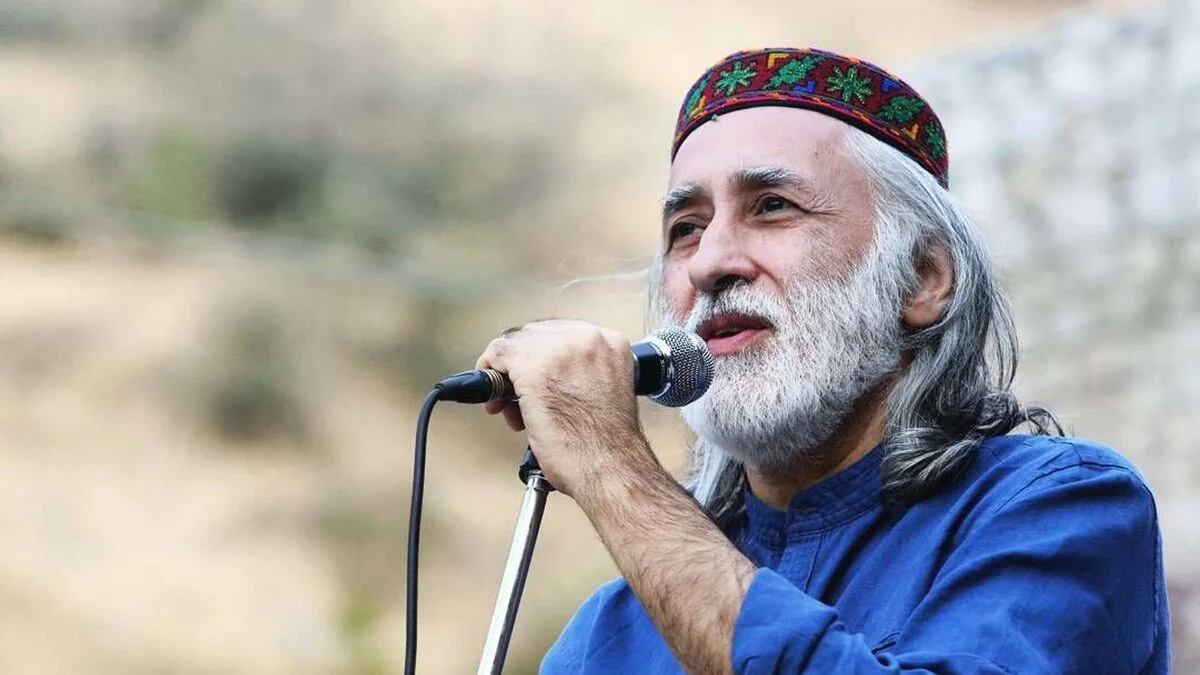
Daler Nazarov was born on 8 September 1959 in Stalinabad, today's Dushanbe. His father, Mehrubon Nazarov, served as Tajikistan's minister of culture. Daler gives Pamiri as his native language. He spent two years in music school and left because the narrow framework of lessons did not suit him. His degree is in Russian philology.
In the 1970s the leading name in Tajik pop was the vocal-instrumental ensemble Gulshan, which featured nearly every well-known singer in the republic. A minister's son could have joined easily. Daler did belong to Gulshan in its early years, but the strict frame of a state ensemble did not hold him. He gathered his own musicians, people interested in Tajik folklore and folk instruments. He walked on stage with a guitar when audiences expected an accordion and a tablak. He had learned to play in the courtyard, from friends. His brother Nazar has said that their father respected the choice and asked for one thing: that Daler know the culture and history of his people.
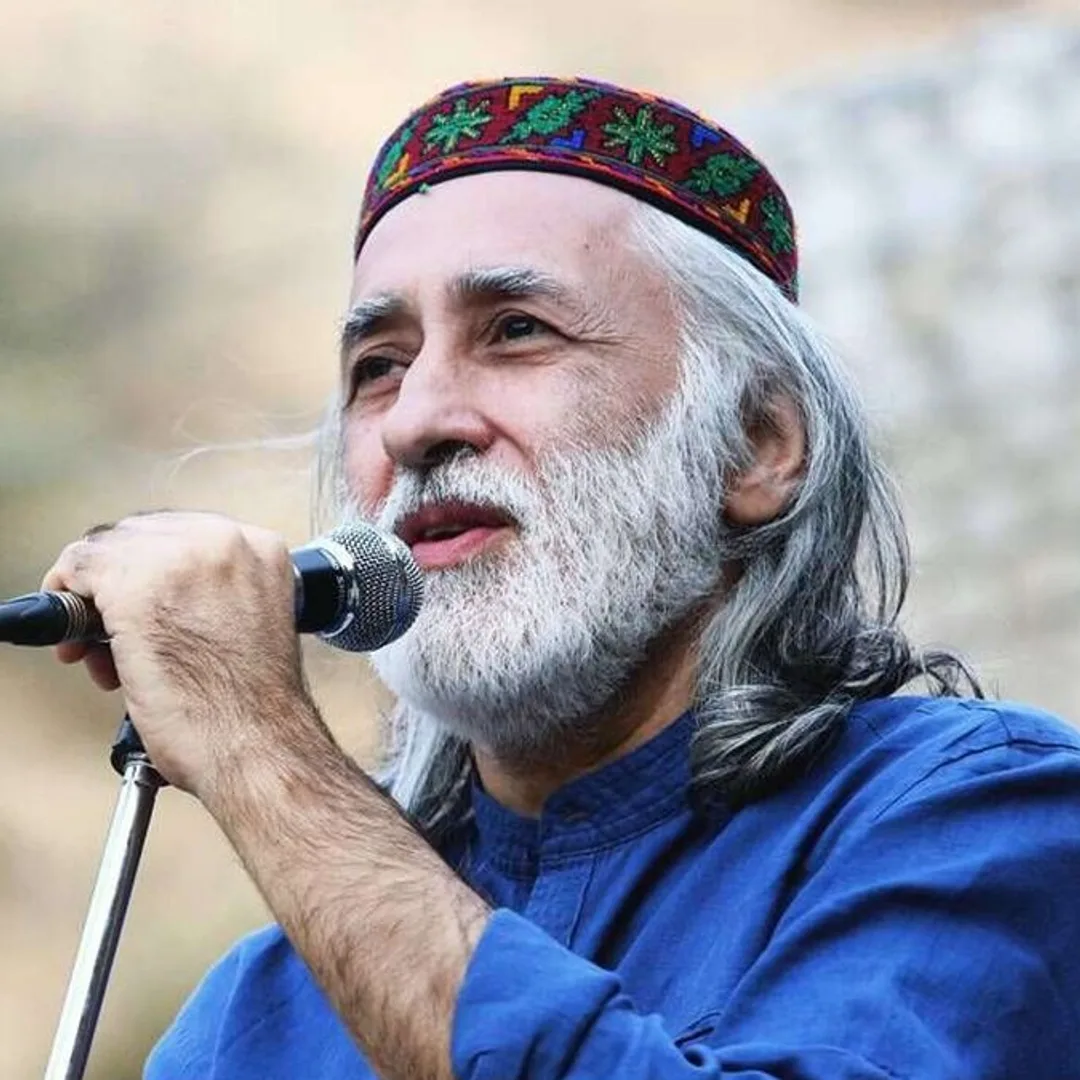
In 1979 Nazarov wrote the music for Davlat Khudonazarov's film Yunosti pervoe utro and sang the song "Ey pari" in it. The song spread across the republic and still turns up in his concerts. According to Russian Wikipedia, he founded the band Daler the same year.
He then spent several years away from the stage. In the mid-1980s he returned with two songs that made his name known throughout Tajikistan: "Turki sherozi," set to verses by Hafiz, and "Chak-chaki boron," which means "raindrops." He sang Hafiz in a rock style, and conservative listeners pushed back. The television director Maksudsho Imatshoev wrote the words of "Chak-chaki boron." The band took prizes at the festivals Jurmala-89, Issyk-Kul-90, Bukhara-90 and Voice of Asia-91.
In late 1992, as civil war began in Tajikistan, Nazarov moved to Almaty. There he grew close to Batyrkhan Shukenov, the lead singer of A-Studio, and Shukenov initiated the release of Daler's first albums. Nazarov returned to Dushanbe in 1997 and gave his first post-war solo concert at the Borbad concert complex.
Film work ran alongside. According to Asia-Plus, he has scored more than twenty feature films, among them Luna Papa, Shik and Tanker Tango by Bakhtyar Khudojnazarov, Starukhi by Gennady Sidorov and Opium War by Siddiq Barmak. Luna Papa won the main prize at the Kinotavr festival in 2000. Nazarov holds that film music should stay as unobtrusive as a cinematographer's work, while a concert shows the personality of the performer. He says he has never had producers or managers. He has no state honorary titles and does not plan to pursue them.