
Journal
Sevara Nazarkhan: from a Tashkent café to Real World Records
About the artist: Sevara Nazarkhan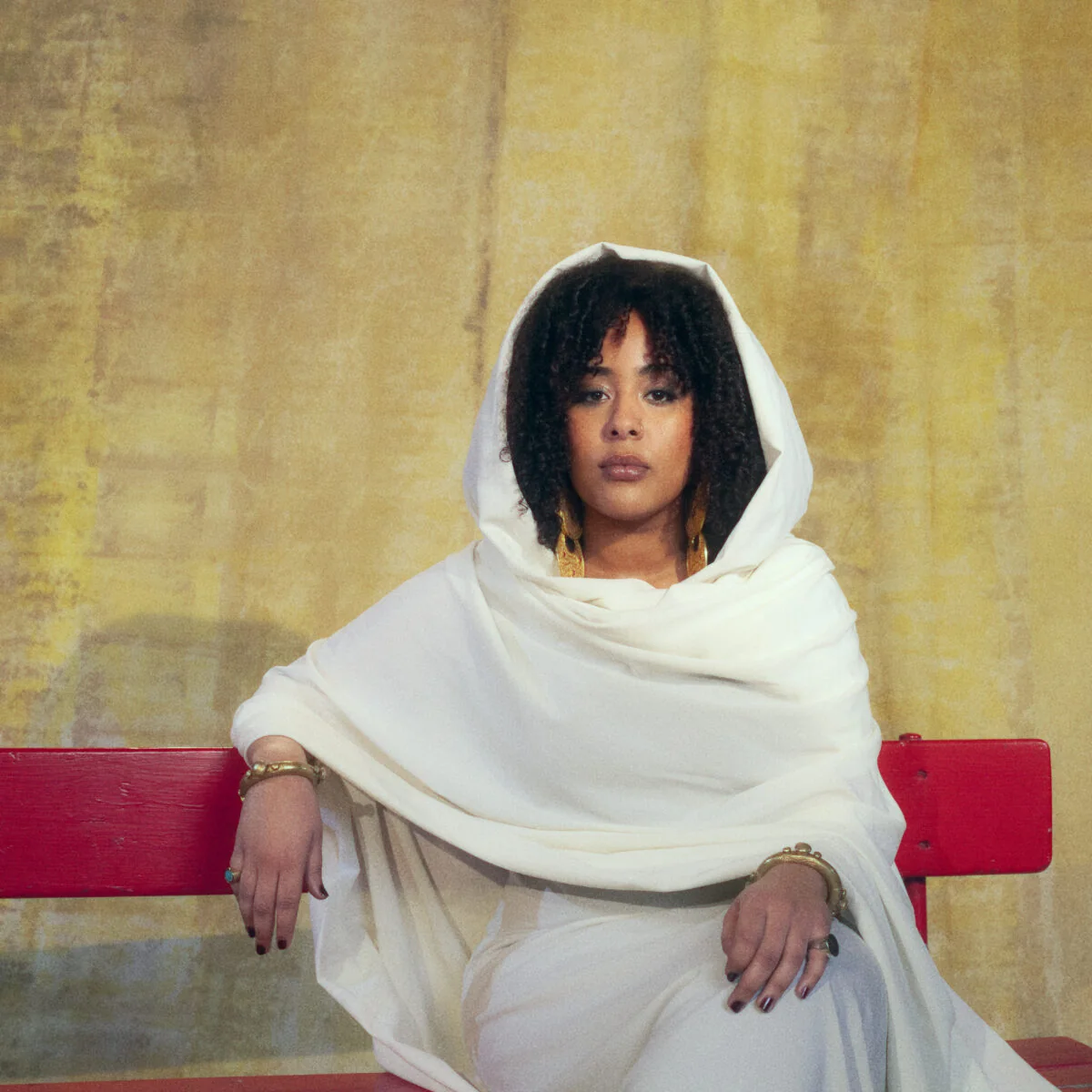
Sevara Nazarkhan grew up in a musical household in Tashkent. According to Real World Records, her father sang European classical repertoire and headed the traditional music department at Tashkent radio, while her mother teaches traditional string instruments and runs an extracurricular music school. Sevara studied voice for several years at the Tashkent State Conservatoire, where folk repertoire is taught strictly and handed from teacher to student.
In 1998 she joined a soulful women's quartet and sang at Taxi Blues, a popular arts café in the city. A year later she released a debut album under her own name and became a pop star in Tashkent. Around 2000 she flew to London and turned up unannounced at the WOMAD festival in Reading. An artist had cancelled, so Sevara played alone, after rehearsing with musicians she met at the festival bar. Her set the next day ran about forty minutes and drew a large crowd. Peter Gabriel was among the listeners. He came backstage and invited her to the Real World studio in Bath.
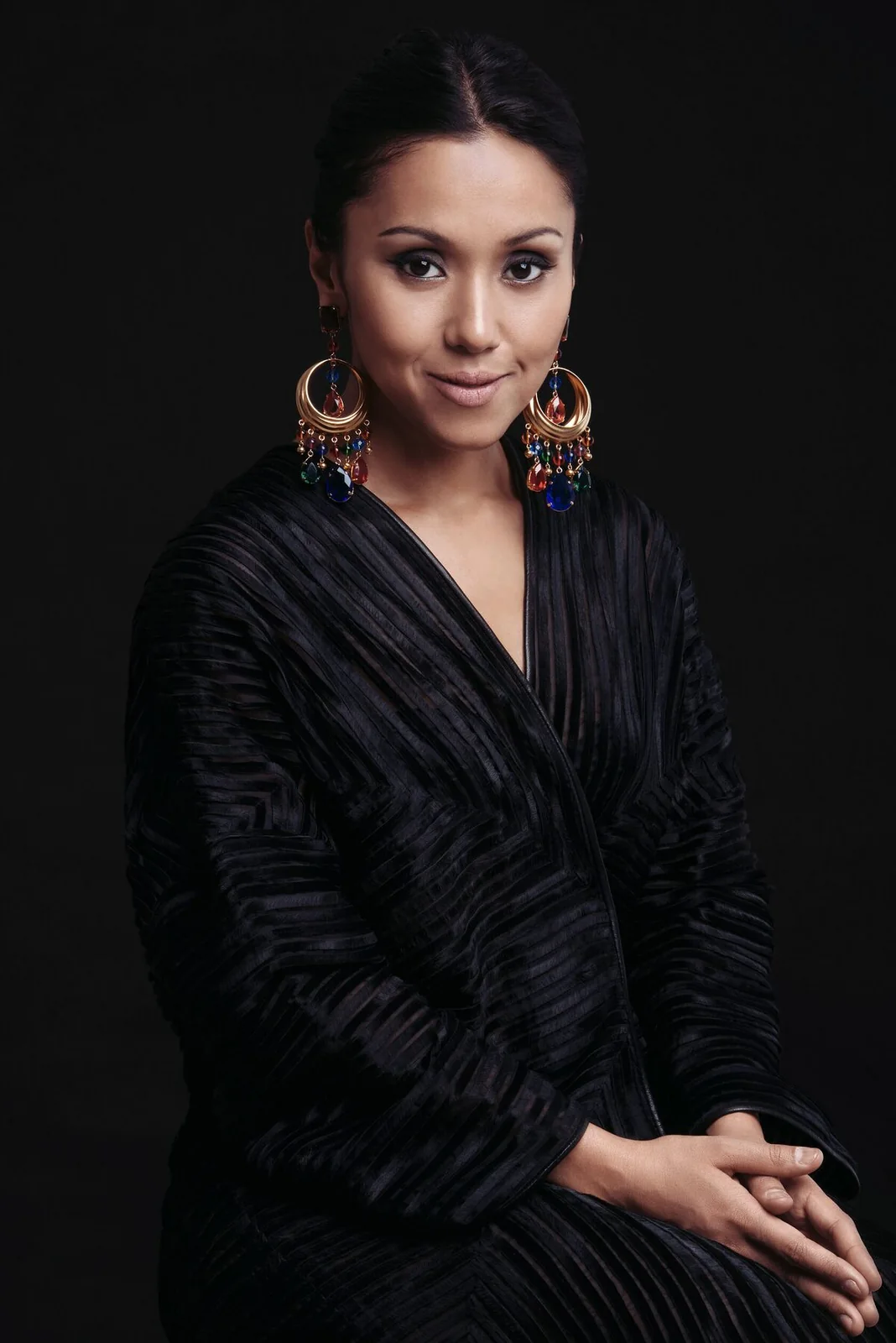
Her Real World debut, Yol Bolsin, came out on 3 February 2003. The French producer Hector Zazou shaped it. The core was recorded in Uzbekistan with live folk instruments and her voice. Zazou then mixed it in Paris and added electronics, guitar and other Western instruments. The eleven songs draw on folk, Sufi and peasant material, among them "Adolat Tanovari," "Orik Gullaganda" and "Alla."
Gabriel took her on the road as his opening act on the Growing Up tour. Her website counts more than fifty concerts with him in Europe, the United States and Canada. In 2004 she won the BBC Radio 3 Award for World Music in the Asia/Pacific category. Huun-Huur-Tu and Trilok Gurtu were among the other finalists.
Sen followed on 30 June 2007. Sevara wrote the music for most of its eleven songs, and the lyrics are poems by Uzbek poets of the past and present. Two tracks, "Bakhtimdan" and "Kuigai," were already favourites in Uzbekistan. She produced the album with the Russian electro producer Victor Sologub and with Bruno Ellingham, who reworked Sologub's electronic sketches at Real World. The title means "you" in Uzbek.
After two albums for Real World she turned back to classical material. Tortadur, released in 2011, collects Uzbek folk-classical songs recorded with masters of traditional instruments and mixed at Abbey Road. On 21, 22 and 23 December 2019 she gave three concerts at the Humo Arena in Tashkent with a symphony orchestra and a choir. Her website lists all three as sold out.