
Journal
What comes next for BRAMA: the nearest steps
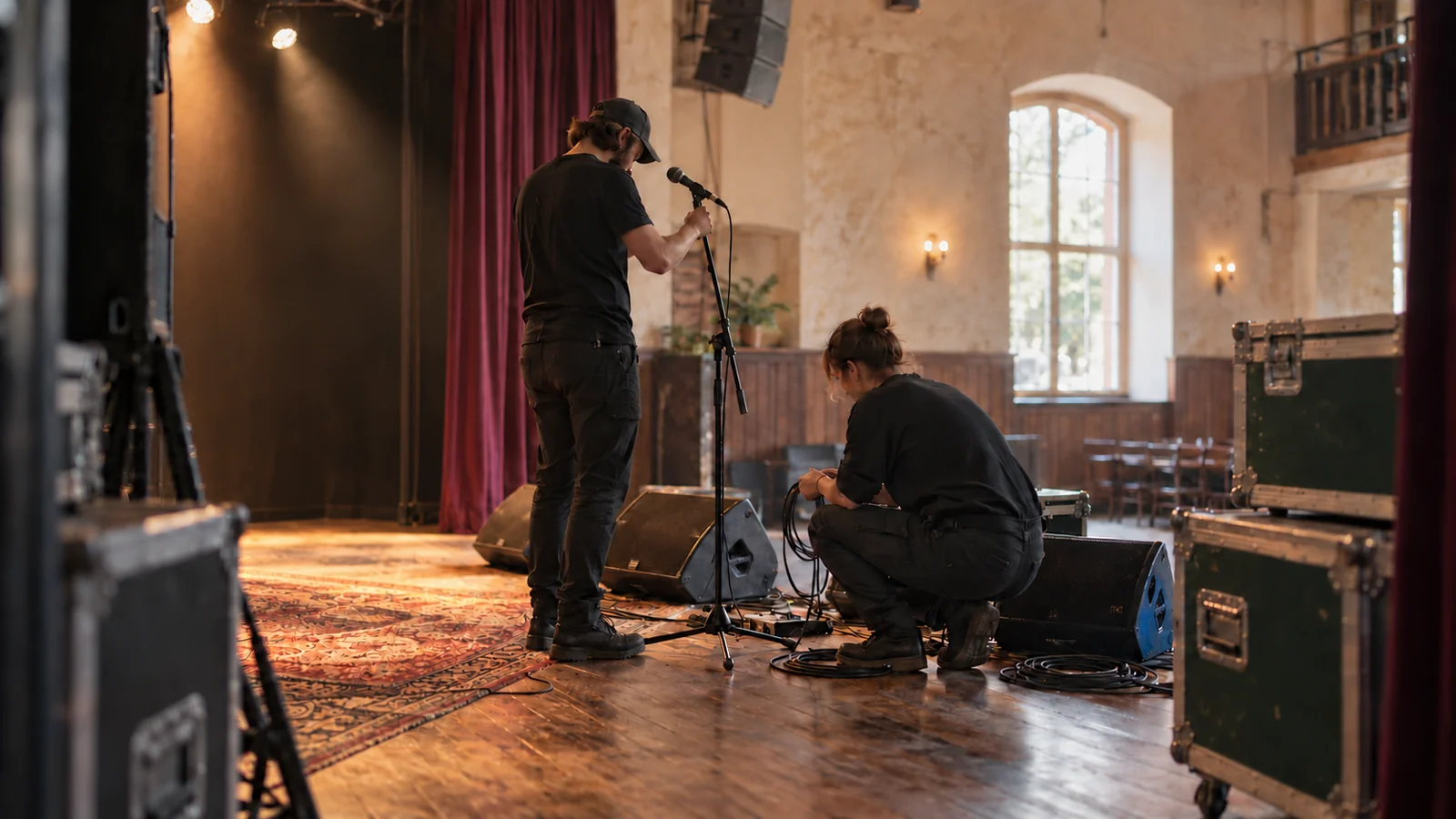
As of autumn 2026, the agency's website works with the roster, project pages, a calendar and three languages. The artist dashboard works by invitation and is ready for a pilot with the first artists. The team has its own workspace for deals, calendar, documents, site content and releases. Data protection is in place: encryption of sensitive fields, separated access, an action log and daily backups.
Several things are in progress. The assistant is connected to the system together with its approval step and is being run on real tasks. Reports for managers cover the pipeline, dates and payments. Calendar sync with Google and Apple is being built so that a change of date shows up on the site at once. System emails with invitations and sign-in codes for artists are going through a final check.
The next stage begins with incoming mail. The assistant will sort letters, create enquiries and ask a manager what to do next. After that comes writing on the agency's behalf: the assistant prepares a draft, a person approves it, and only then does it go out.
Two further steps concern the agency's accumulated experience. The first is agency memory: a search by meaning across notes on venues and organisers, negotiation history, technical riders and artist descriptions, with an answer that points to its source. Passport, bank data and personal phones never enter that memory. The second is a search for venues and festivals: the assistant offers candidates from the internet with a link to the source and a person checks them.
Finance and payouts to artists are also planned inside the system. Among the services, release distribution is connected under a separate agreement, and music publishing, which means song registration, co-writer shares and royalty accounting, remains in development.
The list gives no launch dates. A step counts as done only after it has passed a check on real tasks. Whatever the new features, prices, contracts and money stay with people.